
Blog
-

-
Decarbonization Specialist, Sustainable Infrastructure Advisory, IFC
-

-
Associate Investment Officer, Global Energy, IFC
Apr 12, 2024
Latin America is at the forefront of decarbonizing the energy sector, mostly due to the innovation and commitment demonstrated by companies in the region. These energy companies, many of which are IFC clients, are deploying resources and experience in the face of unprecedented climate change impacts to support the penetration of renewable energy, increase access rates, and improve efficiency.
Sustainable finance—including green, social, and sustainability-linked finance (SLF) instruments—can help energy companies advance their environmental, social, and governance goals to drive their sustainability strategy, while diversifying their funding sources. Sustainable finance is already a powerful tool for Latin American energy companies, with $47 billion in cumulative issuances to date. Of this, $3 billion were sustainability-linked loans, including past IFC SLF investments in Brazil and Chile—the two countries currently leading in the use of these instruments in the region.
Corporate environmental targets are the most common for SLF globally; they were used in 80 percent of issuances in 2023, compared to the 15 percent that used social and governance targets and the five percent that used external sustainability ratings (BNEF, 2024). The most common SLF targets in the energy sector revolve around renewable energy capacity and direct emissions reduction. However, this space is ripe for innovation, with a growing selection of alternative metrics gaining traction. For example:
- Scope 3 emissions, emissions along a company’s supply chain, are a growing concern for investors, and central to the energy sector’s decarbonization plans. The International Capital Market Association (ICMA) recommends targets on Scope 3 where relevant, and Scope 3 in SLF is rising in popularity—including for renewable energy developers. Setting Scope 3 targets anticipates energy companies’ climate action to green their entire value chain, and sustainable finance offerings and partners will be needed to make it happen.
- Digital solutions for electricity networks are key to the grids of the future. They affect both climate mitigation and adaptation performance for this essential infrastructure. SLF can support this strategic performance area, when captured as targets on automation equipment, smart grid management systems, or transmission and distribution losses, as relevant.
- While the use of social metrics in sustainable finance lags somewhat behind the use of climate metrics, IFC expects that new business imperatives will increase their use and diversity in the future. In the energy sector, where there is a heightened focus on the energy transition to bring about positive social change, SLF can support this critical agenda. To date, gender and public health indicators have been most prevalent, but energy companies also have many interesting options related to universal access, just transition, and supply chains.
Here again, Latin American energy companies are leading. From IFC’s own portfolio, a $400 million green and sustainability-linked loan to ENGIE Energía Chile S.A. is helping the company decommission aging fossil fuel assets, accelerate its transition to renewables, and support supplier decarbonization. In addition, the green and sustainability-linked loans to Brazil-based Neoenergia Coelba and Neoenergia Elektro are set to increase network digitalization, while also improving the gender balance in its electrician workforce.
A new initiative, the IFC Future Grids Alliance (FGA), builds on these innovative opportunities for sustainable finance. The program, which was unveiled at a recent IFC-hosted Sustainability Roundtable in São Paulo, Brazil, supports emerging market utilities in implementing a just energy transition, fostering universal access to energy, and managing climate risk. Drawing on IFC’s comprehensive offering for energy utilities, FGA will spearhead sustainable finance for power companies to address the challenges of the energy transition, in combination with technical and sustainability advice. Intentionally, FGA’s earliest members include influential Latin American energy companies that have much to contribute to practical and frontier knowledge for international peers. Sharing knowledge on evolving SLF practices and learnings from the region will be central to FGA’s success.
Should you have interest in deploying SLF, knowing more about IFC’s Advisory services, or joining Future Grids Alliance, please see more:
Related Content

People and the planet together: Why Indigenous Peoples and local communities are at the heart of climate action
Climate Change
Climate Finance
Infrastructure
Sustainability
Sustainable Development

6 Reasons Why Social Metrics Matter in Sustainability-Linked Finance
Climate Change
Climate Finance
Infrastructure
Sustainability
Sustainable Development
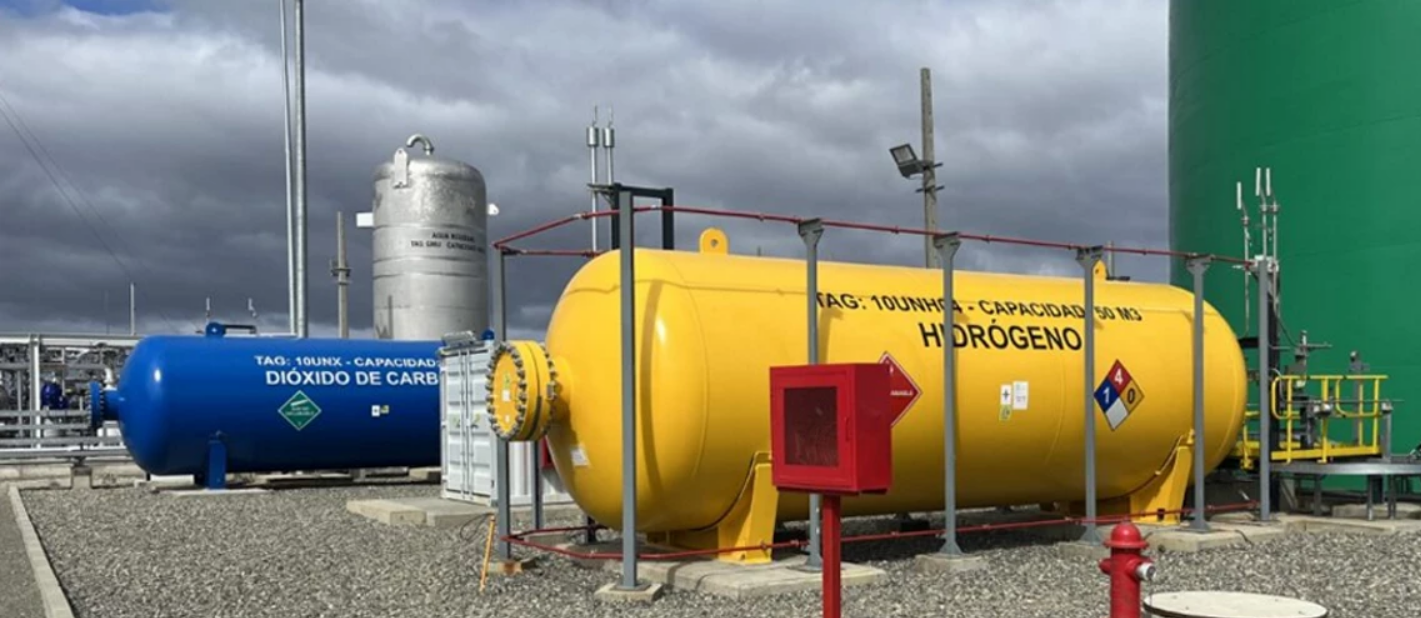
As Colombia leads on renewables, boosting its clean hydrogen industry is the next step. The World Bank is ready to help.
Climate Change
Climate Finance
Infrastructure
Sustainability
Sustainable Development
