
Blog

Sep 4, 2023
The tepid post COVID-19 recovery in developing countries, along with shocks such as climate change, fragility, debt distress, food shortages and energy price increases, are constraining fiscal space and burdening already stretched health systems. This has meant stalled or even the reversal of progress.
Read the full story on the World Bank Blog
Related Content
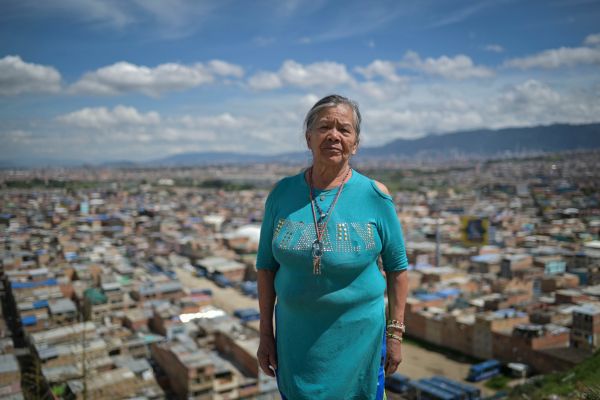
En Bogotá, un estudio revela las repercusiones del COVID-19 en las mujeres cuidadoras
Gender
Inclusion
Sustainable Development

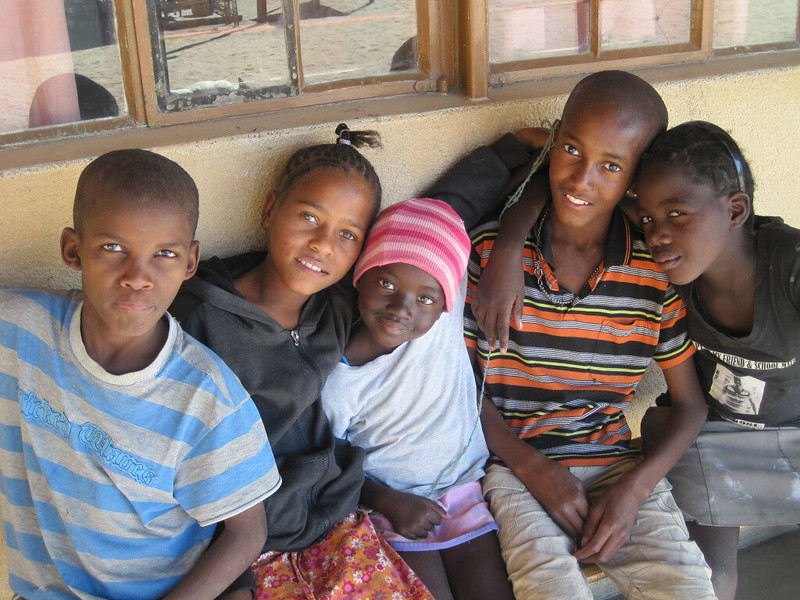
Q&A: How strengthening the care economy can boost women’s workforce participation
Gender
Inclusion
Sustainable Development
