Publication
Jul 14, 2017
World Bank
Climate and greenhouse gas (GHG) scenarios have typically paid scant attention to the metal implications necessary to realize a low/zero carbon future. The 2015 Paris Agreement on Climate Change indicates a global resolve to embark on development patterns that would significantly be less GHG intensive. One might assume that nonrenewable resource development and use will also need to decline in a carbon-constrained future. This report tests that assumption, identifies those commodities implicated in such a scenario and explores ramifications for relevant resource-rich developing countries. Using wind, solar, and energy storage batteries as proxies, the study examines which metals will likely rise in demand to be able to deliver on a carbon-constrained future. Metals which could see a growing market include aluminum (including its key constituent, bauxite), cobalt, copper, iron ore, lead, lithium, nickel, manganese, the platinum group of metals, rare earth metals including cadmium, molybdenum, neodymium, and indium—silver, steel, titanium and zinc. The report then maps production and reserve levels of relevant metals globally, focusing on implications for resource-rich developing countries. It concludes by identifying critical research gaps and suggestions for future work.
Share
-
Share on Facebook
Share on Facebook
-
Share on Twitter
Share on Twitter
- Share on Linkedin
- Share by Mail
Related Content
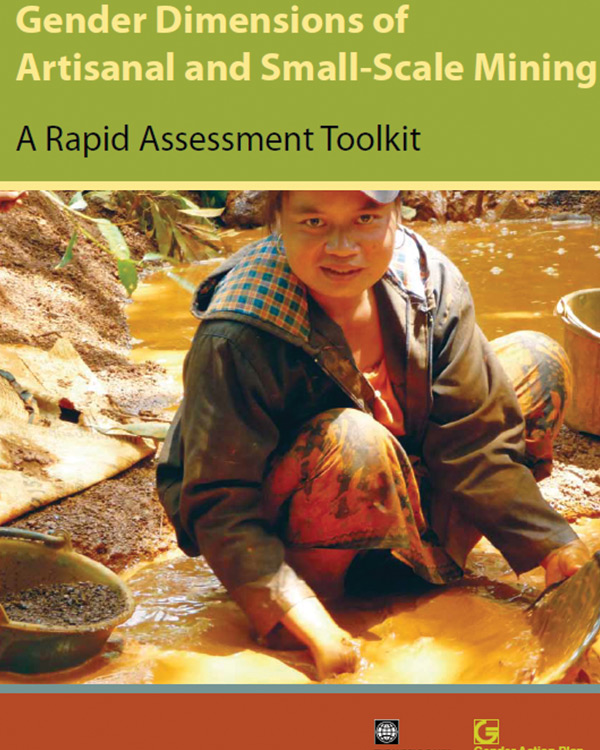
Gender Dimensions of Artisanal and Small-Scale Mining A Rapid Assessment Toolkit
Artisanal and Small Scale Mining
Follow the Money: Financial Flows linked to Artisanal and Small-Scale Gold Mining
Artisanal and Small Scale Mining