
Sustainable Livelihoods and Skills Building
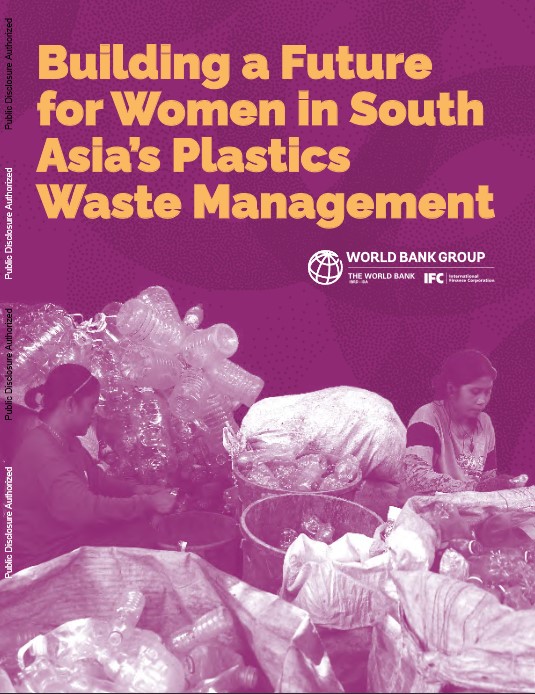
Building a Future for Women in South Asia’s Plastics Waste Management
This report examines the role of women in South Asia’s plastic waste management systems and the challenges they face, and provides recommendations for collaborative action to improve and safeguard women’s livelihoods in the sector.
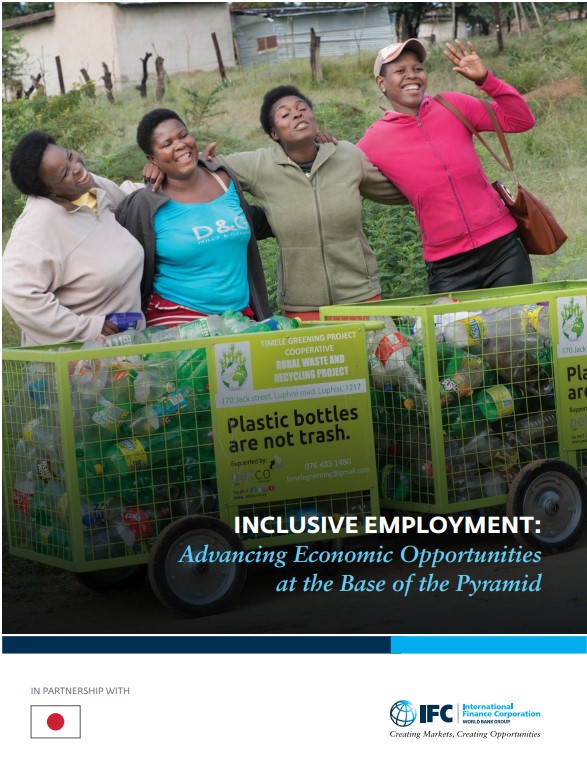
Inclusive Employment: Advancing Economic Opportunities at the Base of the Pyramid
There are 4.5 billion people living at the base of the pyramid worldwide, surviving on low incomes and lacking access to goods, services, and opportunities. Workers at the base are often in the informal sector or low-skill jobs with limited earning. By adopting inclusive employment practices that enhance advancement, and empowerment of these workers, companies have a critical role in expanding access to better livelihoods for these workers.
Social KPIs Matter: Setting Robust Indicators for Sustainability-Linked Finance (Updated)
This draft paper highlights current trends in the use of social key performance indicators (KPIs) in Sustainability-Linked Finance, with a focus on the infrastructure sector.
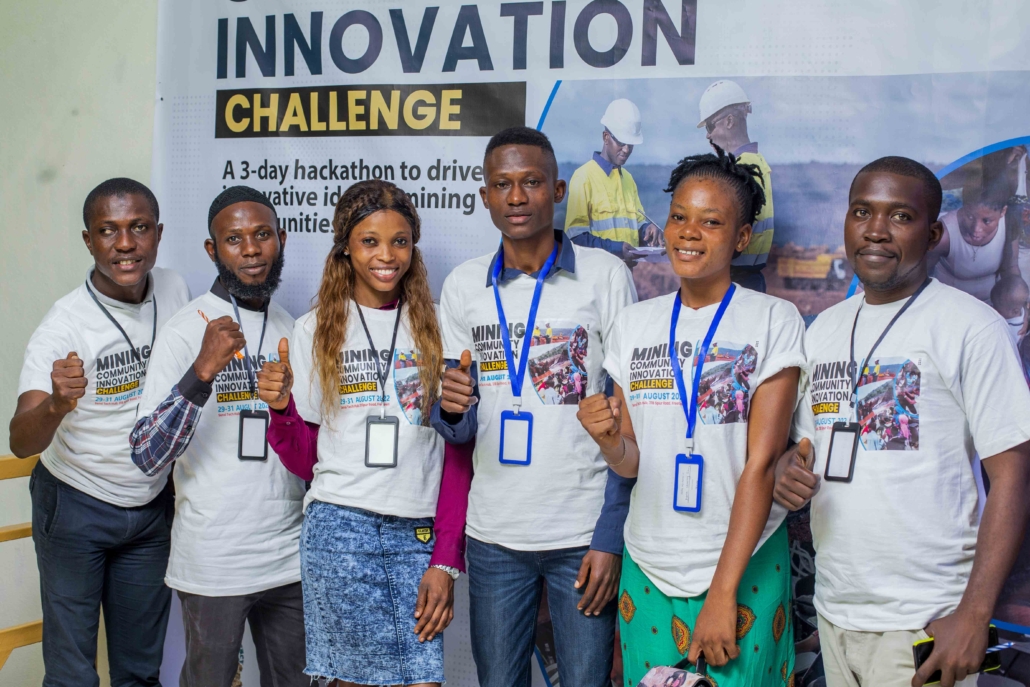
Factsheet | Disclosure to Development ‘D2D’ Sierra Leone Project
IFC’s ‘From Disclosure to Development’ (D2D) Project in Sierra Leone strengthens the digital entrepreneurship ecosystem, with a focus on sustainably supporting mining communities.
Brochure | Sustainability-linked Finance
Sustainability-linked finance (SLF) is a powerful tool for mobilizing capital as the world moves towards a greener global future. SLF incentivizes companies to pursue ambitious, long-term environmental and social goals, and its use can help countries achieve the 2030 UN Sustainable Development Goals.
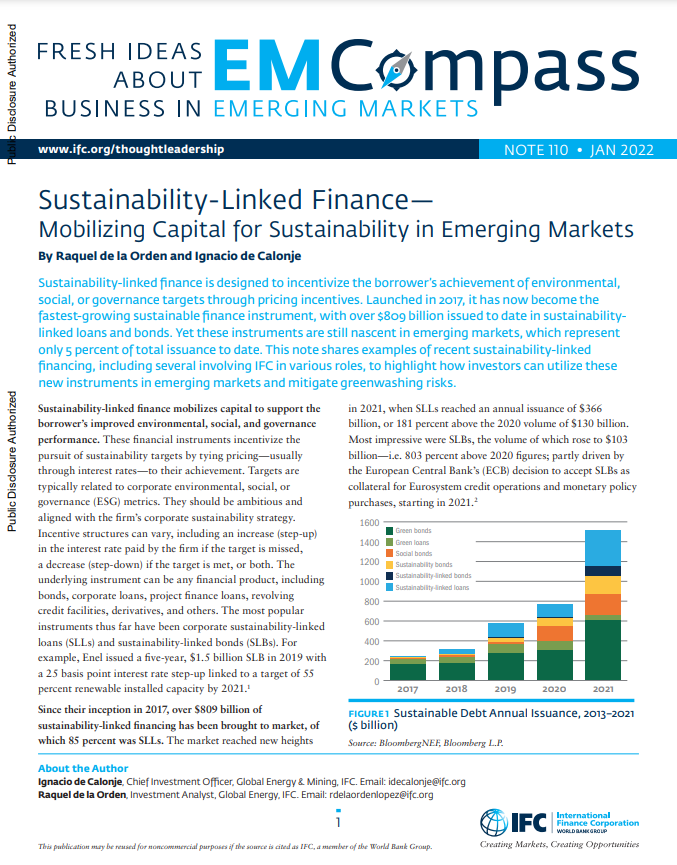
Sustainability-Linked Finance—Mobilizing Capital for Sustainability in Emerging Markets
This note shares examples of recent sustainability-linked financing, including several involving IFC in various roles, to highlight how investors can utilize these new instruments in emerging markets and mitigate greenwashing risks.
Sustainable Bonds: Bridging the Gap for Gender Equality
This guide provides a framework to the market on how sustainable debt instruments can be used to advance gender equality in both the public and private sectors.
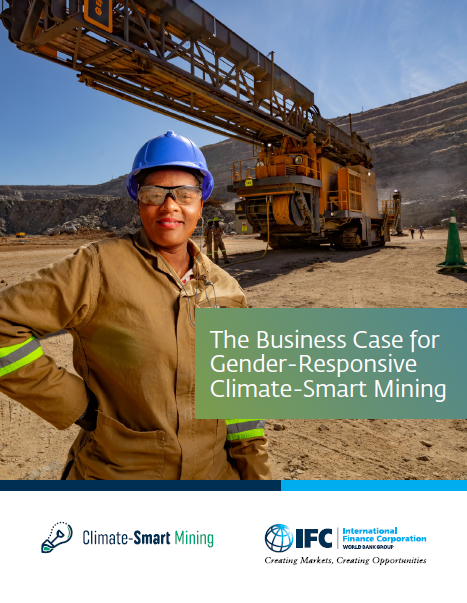
The Business Case for Gender-Responsive Climate-Smart Mining
This document illustrates how gender-responsive climate-smart mining (CSM) strategies are good for business and good for the planet. It outlines entry points for gender considerations within the pillars of the CSM Initiative and enlists recommendations for different stakeholders such as companies, government and civil society to engage.
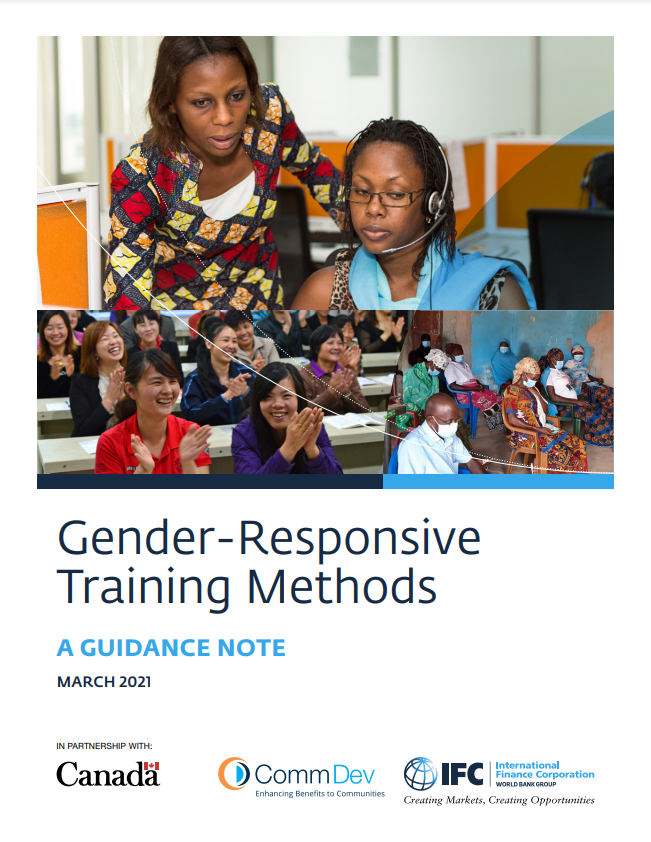
Gender-Responsive Training Methods: A Guidance Note
This Guidance Note highlights how training initiatives can respond to women and men’s different needs and learning preferences. It is intended to strengthen the skills and practice of training providers who run technical business courses for entrepreneurs—whether face to face, or virtually.
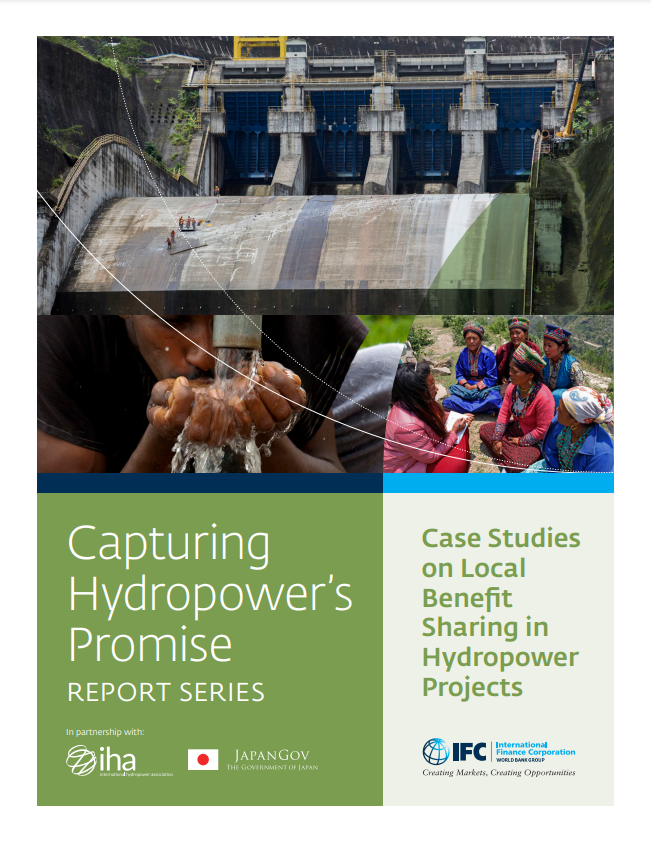
Capturing Hydropower’s Promise: Report Series
The series Capturing Hydropower’s Promise features suggested approaches on implementing local benefit sharing in hydropower projects, along with good practice examples.
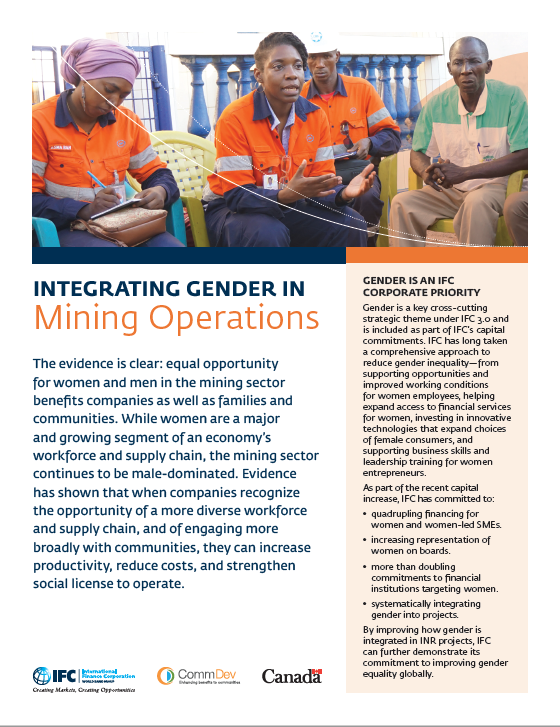
Integrating Gender in Mining Operations
When companies recognize the opportunity of a more diverse workforce and supply chain, and of engaging more broadly with communities, they can increase productivity, reduce costs, and strengthen social license to operate.
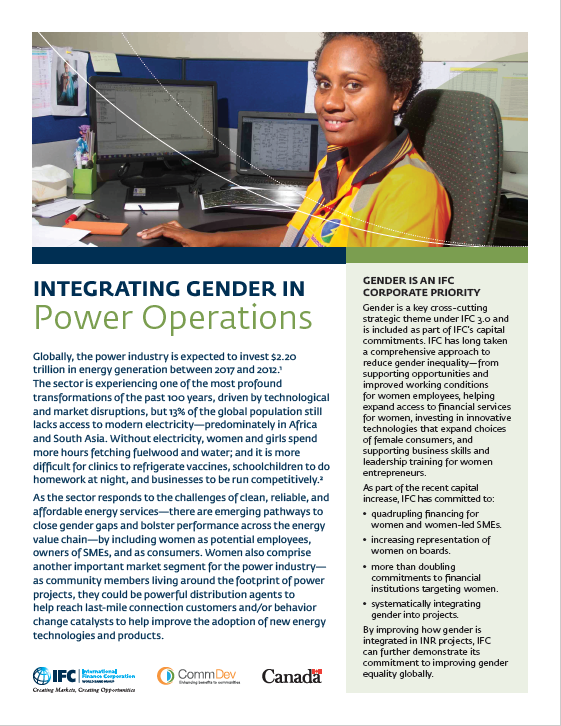
Integrating Gender in Power Operations
As the sector responds to the challenges of clean, reliable, and affordable energy services—there are emerging pathways to close gender gaps and bolster performance across the energy value chain—by including women as potential employees, owners of SMEs, and as consumers.
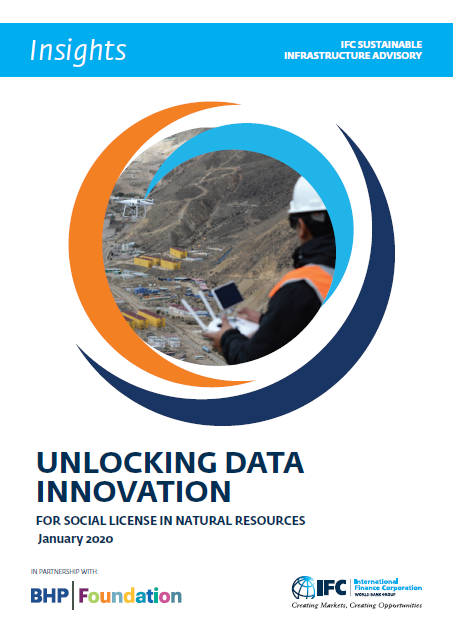
Highlights: Unlocking Data Innovation for Social License in Natural Resources
These are key highlights from the knowledge publication “Unlocking Data Innovation for Social License in Natural Resources” which describes how companies can use new data tools, approaches, and techniques to generate and sustain social license in communities.
Highlights: Data in Action
These are key highlights from the publication “Data in Action” which consolidates the findings of the natural resources data assessments conducted in: Colombia, Ghana, Mongolia, and Peru by the From Disclosure to Development (D2D) program.
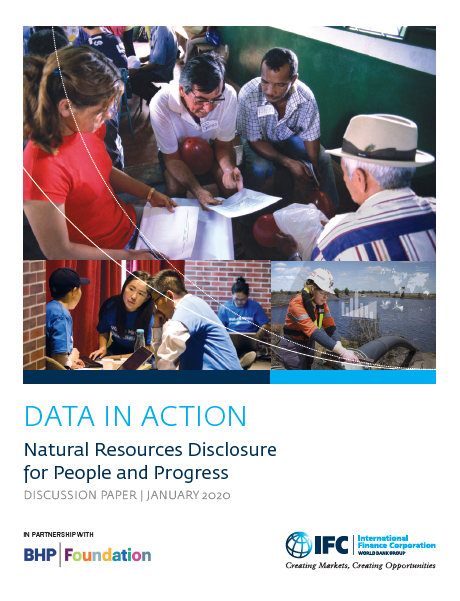
Data in Action: Natural Resources Disclosure for People and Progress
his discussion paper consolidates the findings of D2D’s natural resources data assessments conducted in: Colombia, Ghana, Mongolia, and Peru. It describes key challenges and makes recommendations to industry, governments, and civil society that help bridge the existing data gaps and unlock data-enabled opportunities in the natural resources sector.
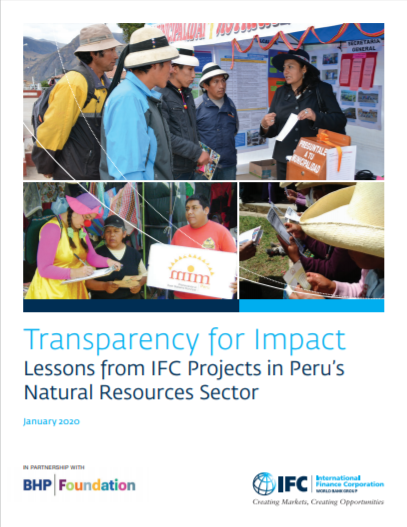
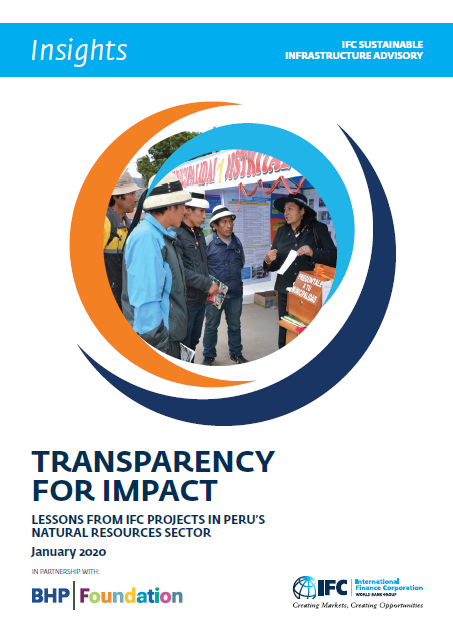
Transparency for Impact: Lessons from IFC Projects in Peru’s Natural Resources Sector
This document is part of a series of knowledge products by IFC’s From Disclosure to Development program. Two other publications in the series are Unlocking Data Innovation for Social License in Natural Resources and Natural Resource Data: Challenges and Opportunities.
Improving the Investment Climate for Renewable Energy: Through Benefit Sharing, Risk Management, and Local Community Engagement
The study provides recommendations on how to improve the investment climate for renewable energy and wind energy, in particular, through benefit sharing, risk management, and local community engagement.
Mikuna Kawsanapaq Recipe Book
This recipe book includes the most innovative nutritious menus created by farmer families from Apurimac.
Certification for Yachachiq
This guide was developed in partnership with the Government of Peru to help Yachachiqs (local leaders on small-scale agriculture) understand and become familiar with a certification process.
Mapping the Oil and Gas Industry to the Sustainable Development Goals: An Atlas
Achieving the SDGs by the target of 2030 will require unprecedented cooperation and collaboration among governments, non-governmental organizations, development partners, the private sector and communities.
Effects of Oil, Gas and Mining Investments on Jobs
It is widely recognized that growth and jobs help lift people out of poverty.
Mapping Mining to the Sustainable Development Goals: An Atlas
This Atlas maps the relationship between mining and the Sustainable Development Goals (SDGs) by using examples of good practice in the industry and existing knowledge and resources in sustainable development that if replicated or scaled up could make useful contributions to the SDGs.

Why Agreements Matter
A resource guide for integrating agreements into Communities and Social Performance work at Rio Tinto.
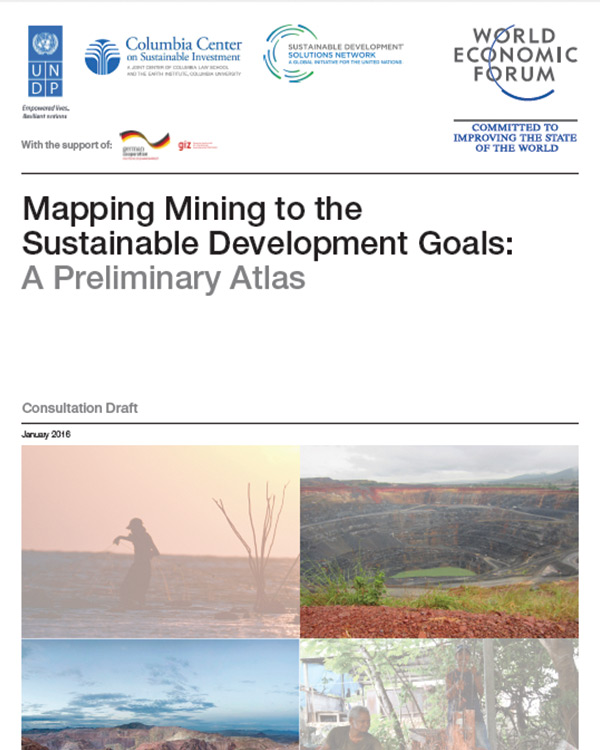
Mapping Mining to the Sustainable Development Goals: A Preliminary Atlas
The draft report is a collection of maps to help mining companies navigate where their products and activities – from exploration, through mining itself, to end products and eventually mine closure – can help the world achieve the SDGs.
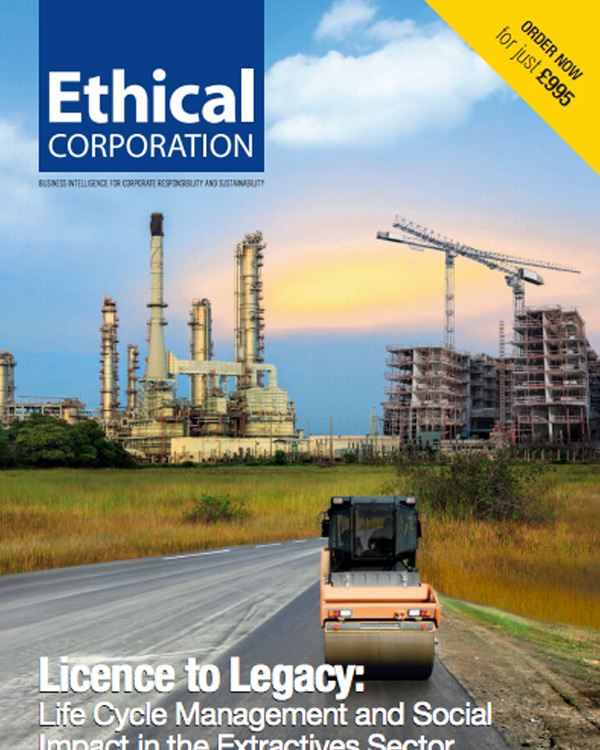
Licence to Legacy: Life Cycle Management and Social Impact in the Extractives Sector
The Anglo American Mine Closure Toolbox was formulated and developed around the concept of achieving sustainable closure through a multi-stakeholder approach based on an early forward-looking closure vision.
Matching Skills and Labour Market Needs: Building Social Partnerships for Better Skills and Better Jobs
Skills are critical assets for individuals, businesses and societies.
Expanding Economic Opportunity: The Role of Large Firms
This report explores four key strategies companies can use to expand economic opportunity: 1) creating inclusive business models; 2) developing human capital; 3) building institutional capacity; and 4) helping to optimize the “Rules of the Game.”
