Publication
Aug 17, 2019
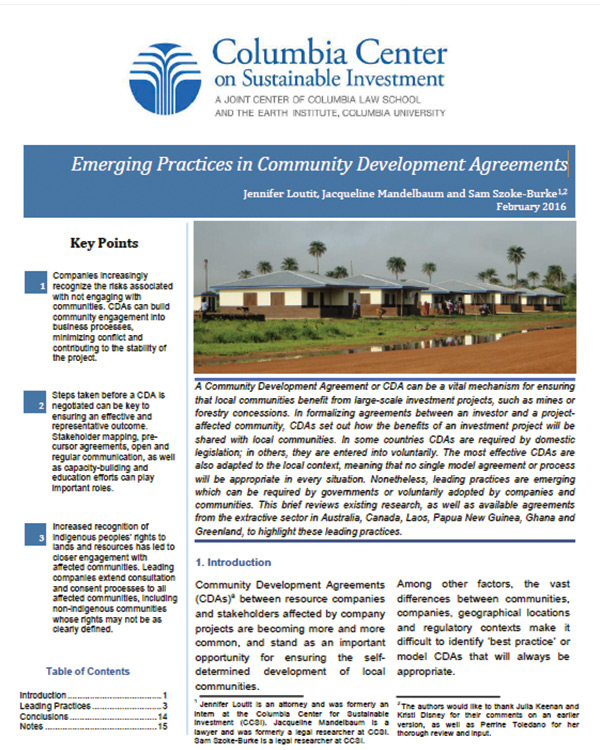
The report, a joint effort between the World Bank’s Social Development Global Practice and International Finance Corporation (IFC) advisory services, is based on the idea that local engagement, for example, through benefit sharing, is an important way for better risk management and creating a more enabling environment for renewable energy development. It finds that the underlying causes of the conflicts are diverse, complex, and dynamic: influencing factors include historical struggles over poverty and inequality, land ownership, mistrust in public and private institutions, a lack of free, prior and informed consultations (FPIC) before investment flows into the region and oftentimes a missing legal framework for benefit sharing. The study provides recommendations on how to improve the investment climate for renewable energy and wind energy, in particular, through benefit sharing, risk management, and local community engagement. Integrating communities through FPIC or benefit sharing mechanisms is costly – but the cost of not integrating communities and of failed projects is even higher.
Share
-
Share on Facebook
Share on Facebook
-
Share on Twitter
Share on Twitter
- Share on Linkedin
- Share by Mail
Related Content
ESG Data Stewardship: An IFC Good Practice Note for Mining
Community Investment and Partnerships
Gender
Indigenous Peoples
Local Supplier Development
Stakeholder Engagement
Sustainable Livelihoods and Skills Building
Water and Communities
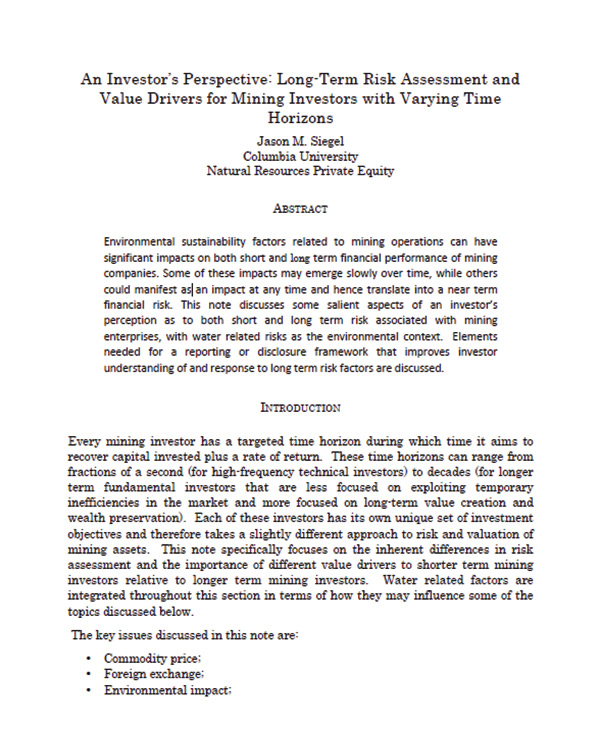
The Role of Indigenous People in Major Project Development – Part II Indigenous Ownership of Electricity Infrastructure: A Case Study
Community Investment and Partnerships
Gender
Indigenous Peoples
Local Supplier Development
Stakeholder Engagement
Sustainable Livelihoods and Skills Building
Water and Communities
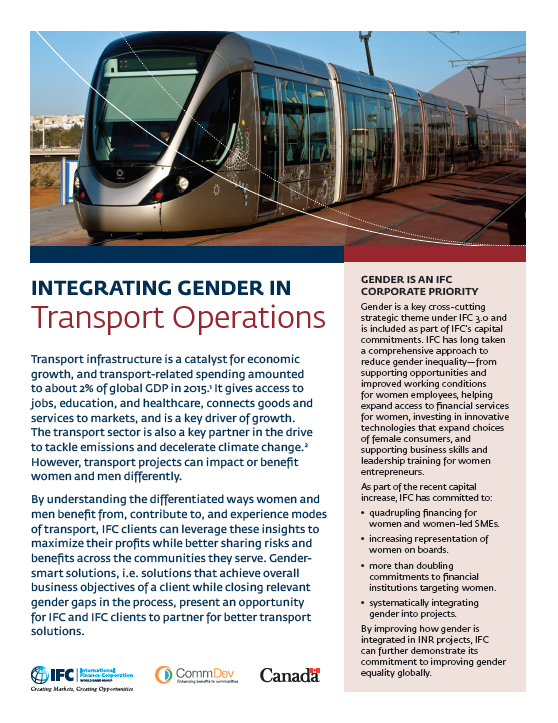
Azito: Energizing Women’s Participation in Local Governance through Voice and Economic Empowerment
Community Investment and Partnerships
Gender
Indigenous Peoples
Local Supplier Development
Stakeholder Engagement
Sustainable Livelihoods and Skills Building
Water and Communities
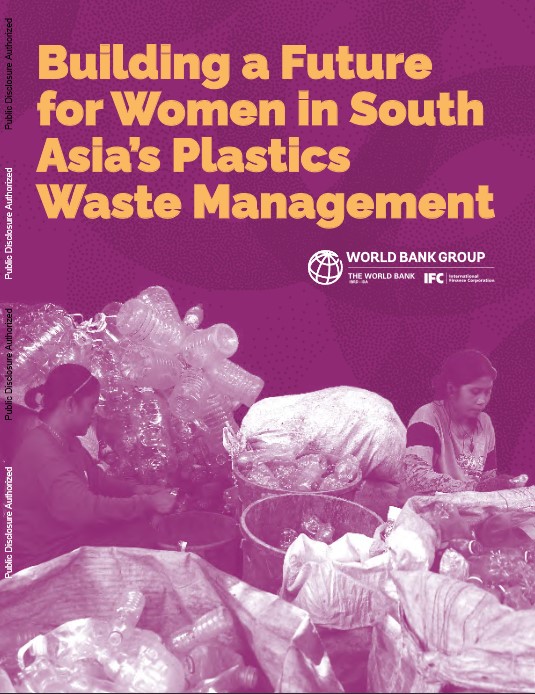
Integrating Gender in Power Operations
Community Investment and Partnerships
Gender
Indigenous Peoples
Local Supplier Development
Stakeholder Engagement
Sustainable Livelihoods and Skills Building
Water and Communities