
Publication
Sep 30, 2015
International Finance Corporation
Providing benefits to communities affected by a project can help a company to obtain and maintain a “social license to operate,” and manage project risks and stakeholder expectations. There are many different channels that companies can use to deliver these benefits. Depending on the channel, determining the appropriate implementation vehicle can be a key strategic decision. For a company that has selected community investment as a way to deliver benefits, this decision is particularly important. This Guide specifically explores the use of foundations, trusts, and funds (collectively referred to as “foundations” throughout this document) to deliver community investment (CI). The Guide does not intend to encourage or discourage companies from establishing foundations; rather, it lays out a process for deciding whether a foundation can be a viable implementation model and helps companies understand related risks and opportunities.
Share
-
Share on Facebook
Share on Facebook
-
Share on Twitter
Share on Twitter
- Share on Linkedin
- Share by Mail
Related Content
Improving the Investment Climate for Renewable Energy: Through Benefit Sharing, Risk Management, and Local Community Engagement
Community Investment and Partnerships
Local Government and Development
Monitoring and Evaluation
Stakeholder Engagement

Delivering on the Promise: Leveraging natural resources to accelerate human development in Africa
Community Investment and Partnerships
Local Government and Development
Monitoring and Evaluation
Stakeholder Engagement
USEITI 2015 Executive Summary
Community Investment and Partnerships
Local Government and Development
Monitoring and Evaluation
Stakeholder Engagement
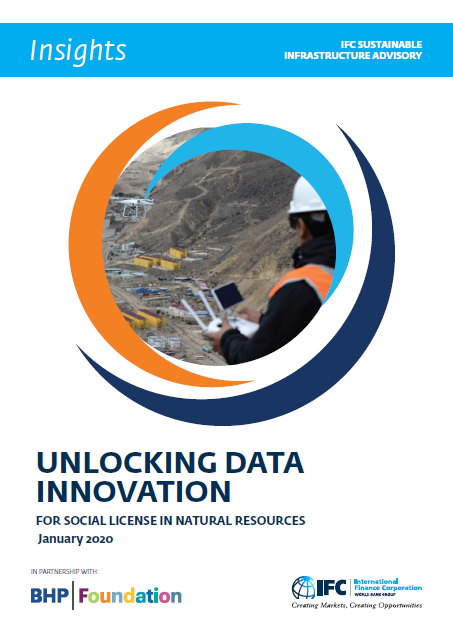
Highlights: Unlocking Data Innovation for Social License in Natural Resources
Community Investment and Partnerships
Local Government and Development
Monitoring and Evaluation
Stakeholder Engagement