
Related Resources
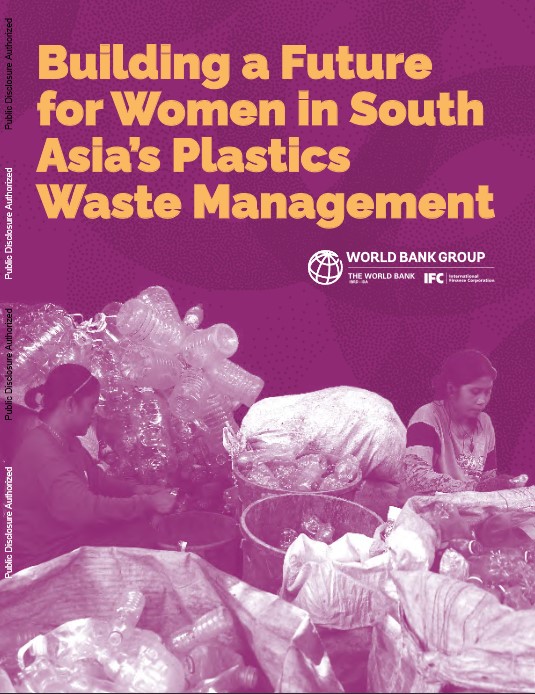
Building a Future for Women in South Asia’s Plastics Waste Management
This report examines the role of women in South Asia’s plastic waste management systems and the challenges they face, and provides recommendations for collaborative action to improve and safeguard women’s livelihoods in the sector.
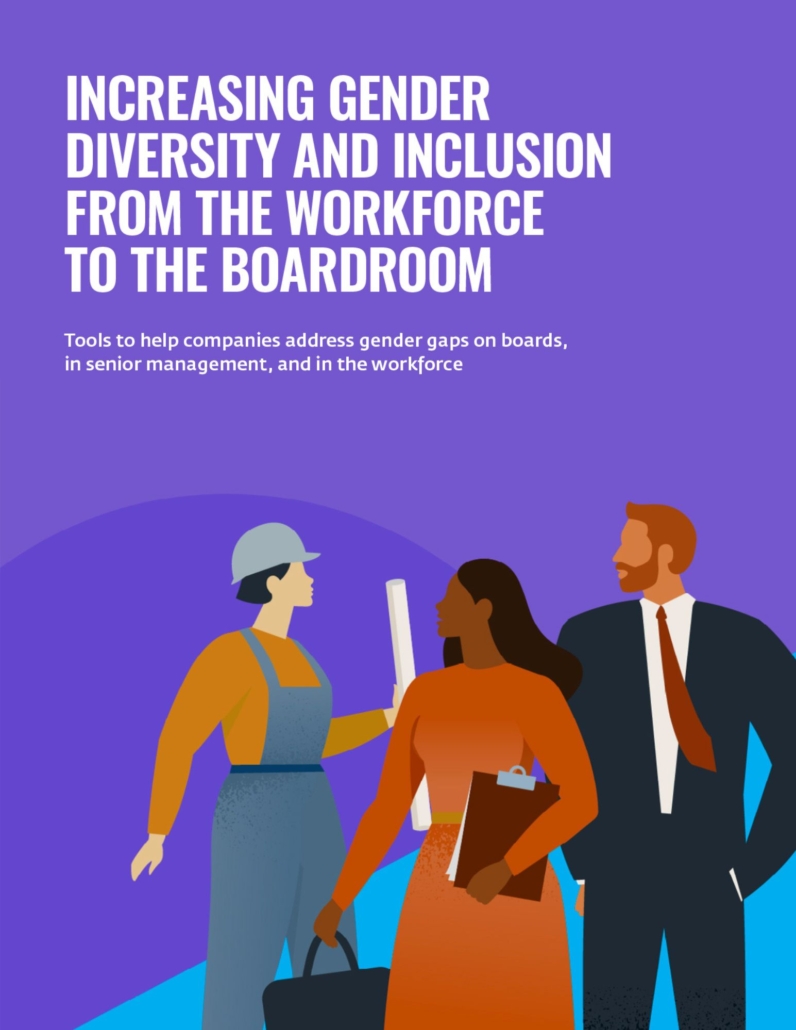
IFC Gender and Infrastructure Toolkit
A comprehensive suite of resources to empower companies to address gender inequality in the workforce, supply chain, and community activities.✅ Tool Suites: Practical tools and guidance on project planning, recruitment and more ✅ Business Cases: Insights from companies who’ve implement gender-smart practices ✅ Interactive Toolkit Builder: Create a customized action-plan for your company
Africa’s Resource Future: Harnessing Natural Resources for Economic Transformation during the Low-Carbon Transition
This book examines the role for natural resource wealth in driving Africa’s economic transformation and the implications of the low-carbon transition for resource-rich economies.
Subsoil assets such as metals, minerals, oil, and gas are key sources of government revenues, export earnings, and development potential in most countries in Africa. How can African economies tap into these opportunities while managing the downside risk to their fossil fuel wealth? “Africa’s Resource Future” explores these themes and offers insights to help navigate the uncertainty.
Veolia: The True Cost of Water
Veolia has developed the “True Cost of Water,” a tool that combines traditional CAPEX and OPEX calculations with analysis of water risks and their financial implications.
Agreement-making with Indigenous Groups: Oil & Gas Development in Australia
This resource document was jointly prepared by CSRM and BG Group, to provide source material and an analysis of trends in Australia regarding the challenges of negotiating and implementing agreements with Indigenous groups.
Indigenous Women’s Rights and the African Human Rights System: A toolkit of mechanisms
Indigenous women form one of the most vulnerable groups on the African continent. They face multiple forms of discrimination associated especially with their indigenous identity, their gender, culture, religion and language.

MiningResettlement.org
MiningResettlement.org is an initiative of The University of Queensland’s Centre for Social Responsibility in Mining.
‘What is legal?’ Formalising artisanal and small scale mining in Colombia
Colombia’s mining sector is characterised by widespread informality. A recent census revealed that 72 percent of all mining operations in Colombia are classed as ‘artisanal and small-scale mining’ (ASM), and 63 percent are ‘informal,’ lacking a legal mining concession or title.
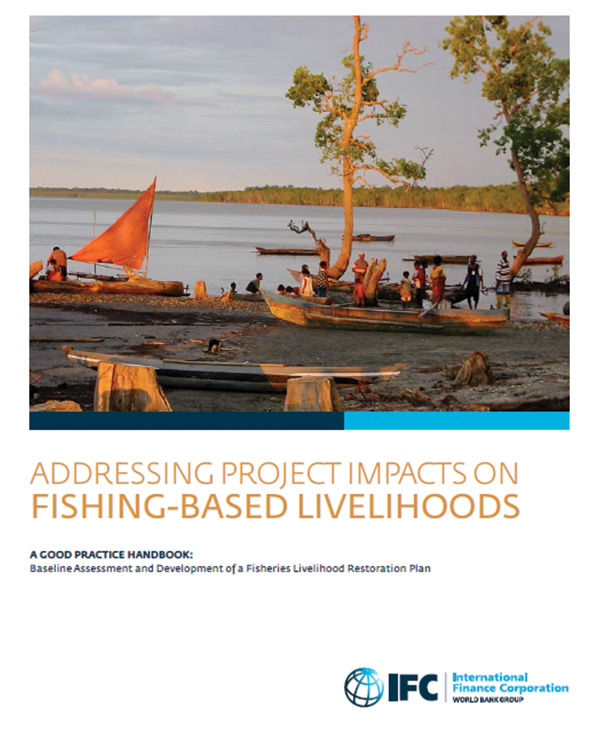
Addressing Project Impacts on Fishing-Based Livelihoods – A Good Practice Handbook: Baseline Assessment and Development of a Fisheries Livelihood Restoration Plan
This handbook is intended to be a guide for projects whose development and operations impact upon fish resources and the fishing-based livelihoods of small-scale subsistence and artisanal fishermen who depend upon these resources.
Creating New Models: Innovative Public-Private Partnerships for Inclusive Development in Latin America
Local Procurement by the Canadian Mining Industry
This report measures the extent to which local procurement features in the 2011 and 2012 corporate responsibility reports of the top 50 Canadian mining companies.
Resettlement Action Plan (RAP): Ahafo South Expansion Resettlement & Land Access – Projects, Ahafo, Ghana
An example of a resettlement action plan (RAP).
Discussion Paper: Stakeholder Engagement and the Extractive Industry Under the OECD Guidelines for Multinational Enterprises
The first section provides an overview of existing guidance on stakeholder engagement, making a link to the OECD Guidelines.
ICMM Position Statement on Indigenous People and Mining
The statement, which came into effect in May 2015 for all ICMM member companies, articulates a progressive set of commitments.
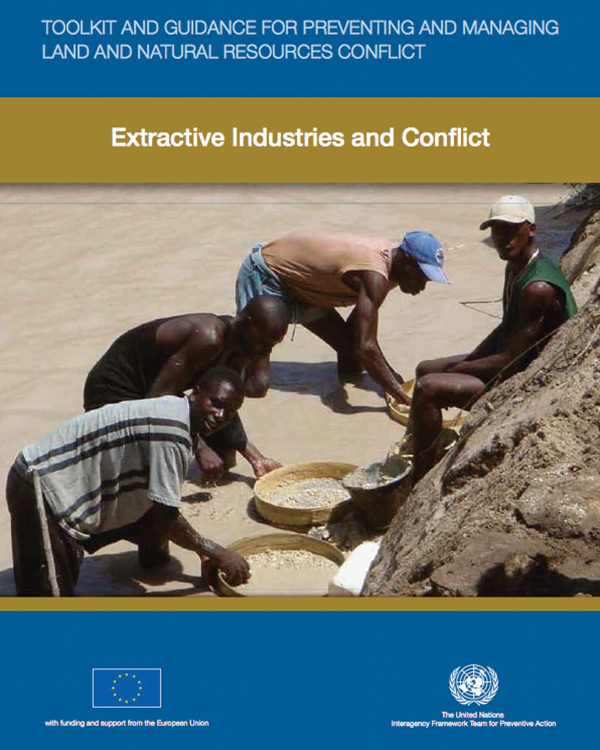
Extractive Industries and Conflict Toolkit and Guidance for Preventing and Managing Land and Natural Resources Conflict
Experience shows that tackling the underlying causes of EI conflict requires a concerted and multifaceted approach that encompasses governance, macro- and micro-economic stability, capacity enhancement, and creative approaches that increase opportunities for dialogue while contributing to the peaceful resolution of conflict.
IFC Performance Standard Guidance Notes 4: Community Health, Safety, and Security
IFC has prepared a set of Guidance Notes, corresponding to the Performance Standards on Environmental and Social Sustainability.
Anglo American Advanced Social Management Programme: Resource Library
These materials have been compiled for the Anglo American Social Practitioner Capacity Development Initiative.
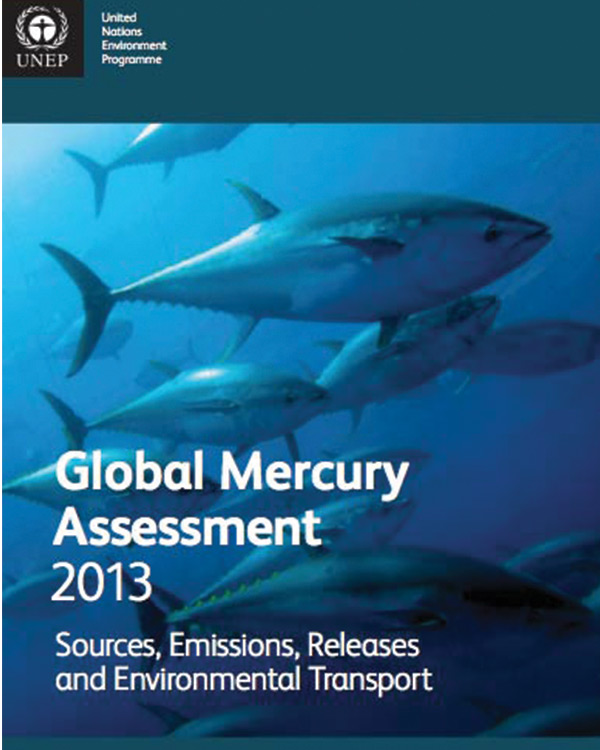
Global Mercury Assessment
Mercury is a global threat to human and environmental health.
Confronting Risk, Mobilizing Action
This paper builds the conceptual foundation for an action framework for conflict prevention in the context of large scale business investments in fragile environments.
Water Valuation: Building the Business Case
This publication, Water Valuation: Building the business case, aims to demonstrate the business case for companies to engage in water valuation and is supported by a review of 21 business case studies that illustrate why and how different companies have carried out water valuation.
Measuring Shared Value | How to Unlock Value by Linking Social and Business Results
The genesis of this article occurred at the FSG-hosted Shared Value Summit in Cambridge, Massachusetts in June 2011 where sixty company representatives and co-authors of the Harvard Business Review article “Creating Shared Value,” Michael E. Porter and Mark Kramer, identified measurement as a key driver of shared value adoption.
From Controversy to Consensus
When development projects entail potential risks for indigenous peoples or local communities, governments and companies must invest time and resources in ensuring the early and ongoing participation of these communities in project design and implementation.
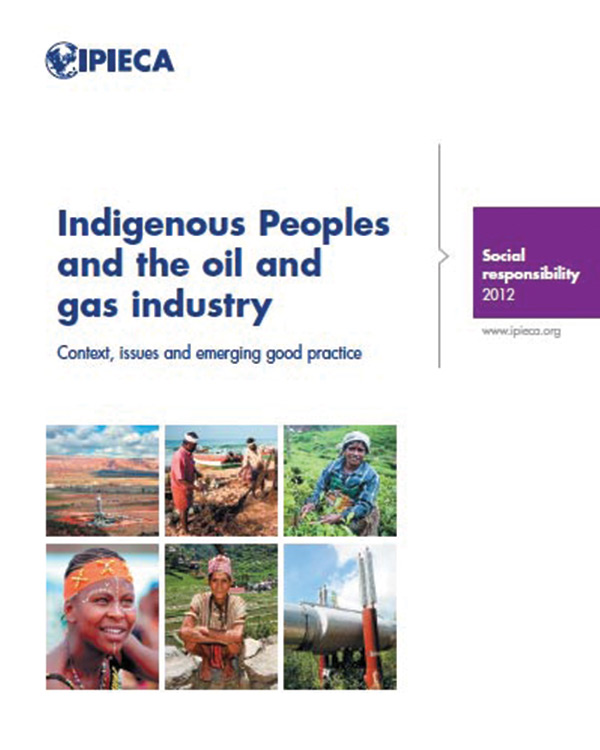
Indigenous Peoples and the oil and gas industry: context, issues and emerging good practice
IPIECA is the global oil and gas industry association for social and environmental issues.
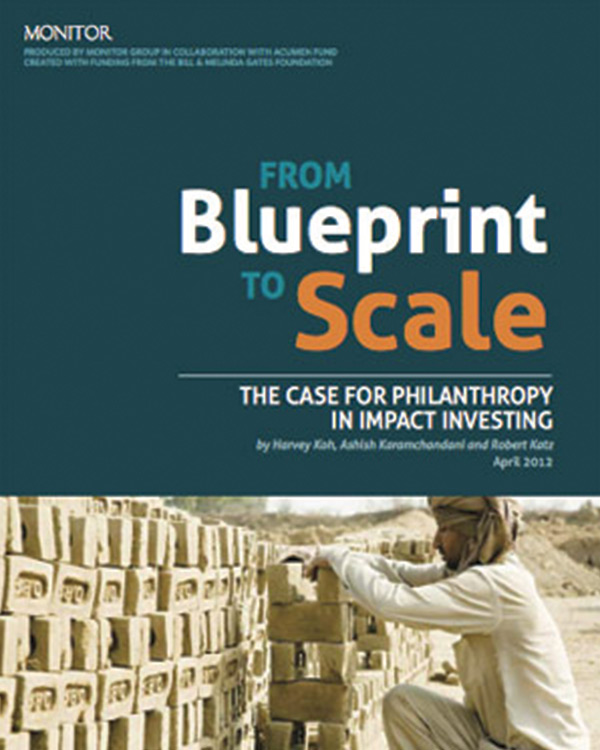
From blue print to scale: The case for philanthropy in impact investing
This report springs from a point of view shared by Monitor and Acumen Fund — that philanthropy is the essential but often overlooked catalyst that unlocks the impact potential of inclusive business and impact investing.
Water Risk Filter
The Water Risk Filter is an online application for corporate officers, facility managers, and investors to analyze the impact of their business activity on the water supply, understand potential risk exposures, and obtain ideas for mitigating risk in a proactive way.
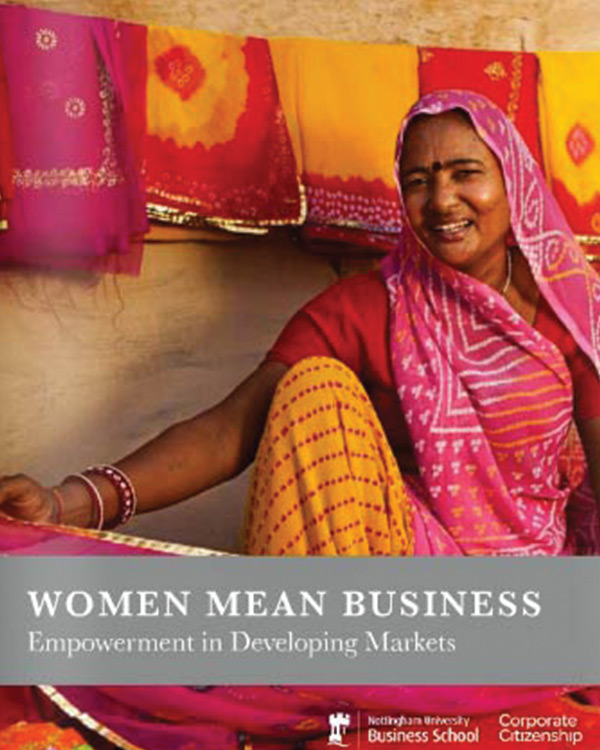
Women Mean Business: Empowerment in Developing Markets
This research report presents a joint analysis by Corporate Citizenship and Nottingham University’s International Centre for Corporate Responsibility of the global business initiatives on women’s empowerment in emerging markets.
Voluntary Guidelines on the Responsible Governance of Tenure
The purpose of these Voluntary Guidelines is to serve as a reference and to provide guidance to improve the governance of tenure (ownership and access) of land, fisheries and forests with the overarching goal of achieving food security for all and to support the progressive realization of the right to adequate food in the context of national food security.
Governance Strategies to Manage and Monitor Cumulative Impacts at the Local and Regional Level
This 18-month study commenced in October 2010. It examined the growing use of multi-stakeholder collaborative approaches for monitoring and managing cumulative impacts, focusing particularly on how these are being applied in the Bowen Basin, Australia to the management of water quality.
National Water Resources Framework Study Roadmaps for Reforms, India
In September 2011, through the 2030 Water Resources Group, the Council on Energy, Environment and Water (CEEW) submitted a report to the Planning Commission of India titled National Water Resources Framework Study.
Community Consent Index
Increasingly, around the world local communities are demanding a meaningful voice in determining whether and under what conditions oil, natural gas, and mining projects take place.
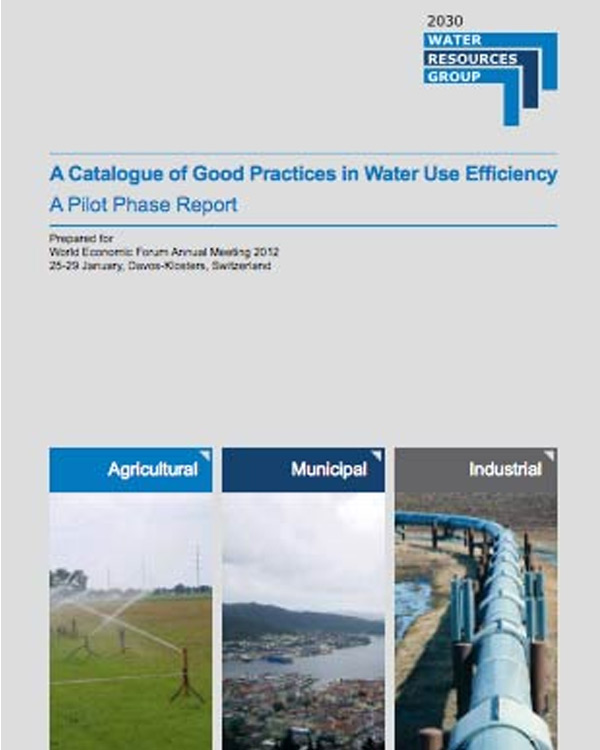
A Catalogue of Good Practices in Water Use Efficiency
In this pilot phase, WRG has worked with three partner governments – Jordan, the state of Karnataka and South Africa – to identify three priority levers of action in each government’s water use transformation space, with each lever corresponding to ones in WRG’s Charting Our Water Future report.
World Economic Forum: Water Resources Group
The 2030 Water Resources Group (WRG) is an innovative and neutral public-private-expert-civil society partnership helping government water officials and their partners accelerate reforms that will ensure sustainable water resource management for the long term development and economic growth of their country.
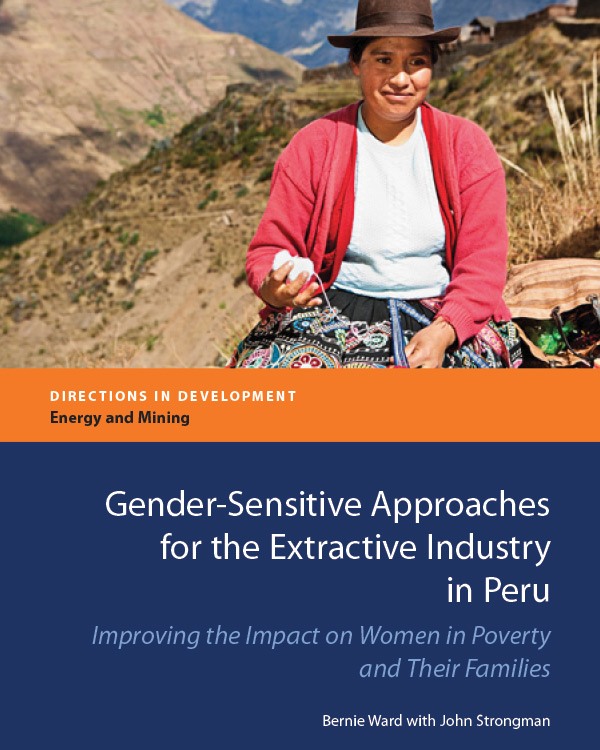
Gender-Sensitive Approaches for the Extractive Industry in Peru: Improving the Impact on Women in Poverty and their Families
The negative impacts of extractive industry projects fall predominantly on women rather than men and are much more significant than generally recognized, including the breakdown of family relations and a significant increase in family tensions and domestic violence associated with the arrival of projects in poor communities.
The Water Assessment Manual – Setting the Global Standard
This year, IFC has made water efficiency one of the two core themes of its water strategy, and was recently part of a collaborative effort with the Water Footprint Network (WFN) to publish the Water Footprint Assessment Manual.
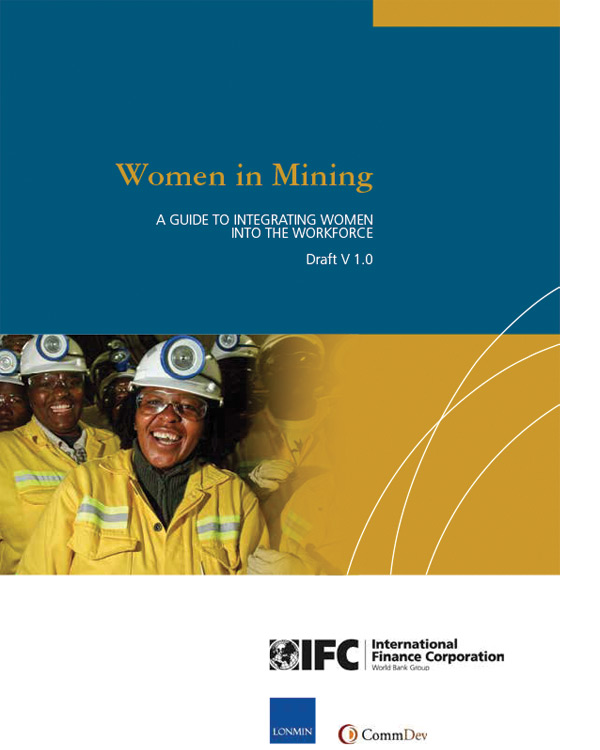
Women in Mining: A Guide to Integrating Women into the Workforce
Women in Mining provides a conceptual framework and a step-by-step approach to integrating women into mining and other extractive and heavy industries.
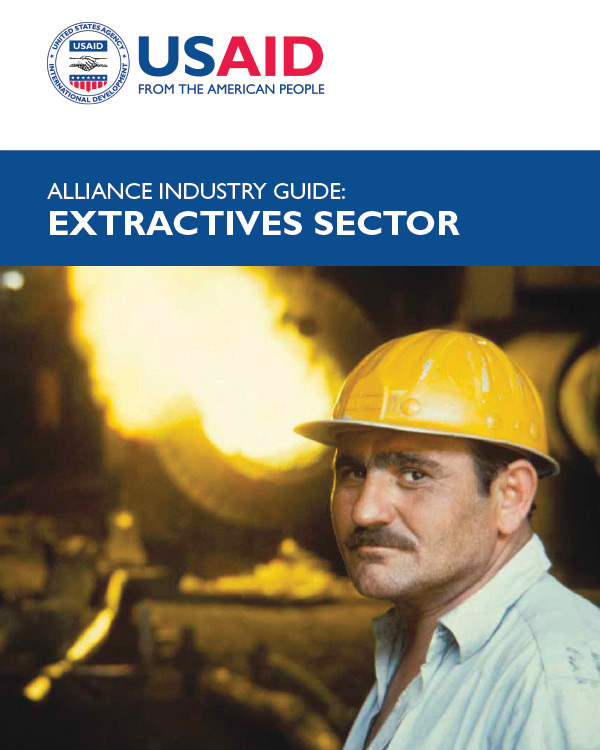
Alliance Industry Guide: Extractive Sector
Public-private partnerships done right are a powerful tool for development, providing enduring solutions to some of our greatest challenges. To help familiarize you with the art of alliance building, the Office of Development Partners/ Private Sector Alliances (ODP/PSA) has created a series of practical guides that highlight proven practices in partnerships, demonstrate lessons learned, and […]
ASPIRE A Sustainability Poverty and Infrastructure Routine for Evaluation
This document provides a concise summary of the development of ASPIRE – a new software-based sustainability assessment tool for infrastructure projects which includes poverty reduction as an overarching agenda.
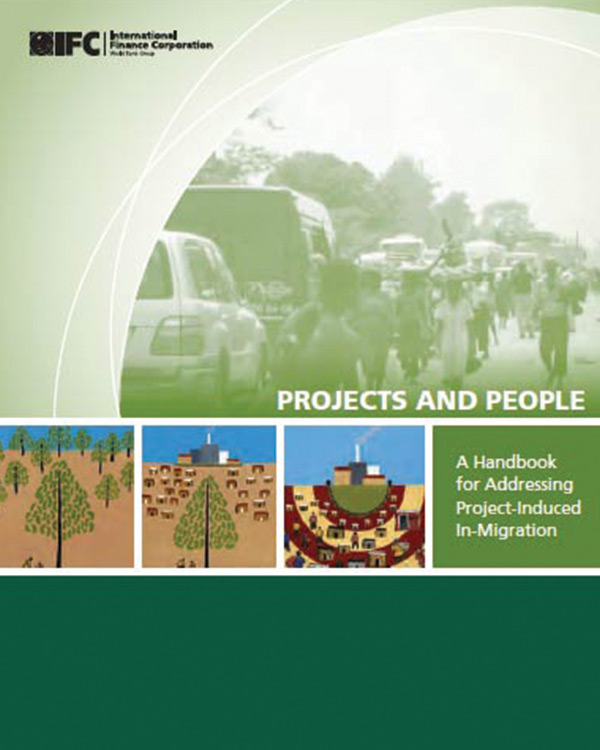
Projects and People: A Handbook for Addressing Project-Induced In-Migration
The handbook is divided into five parts
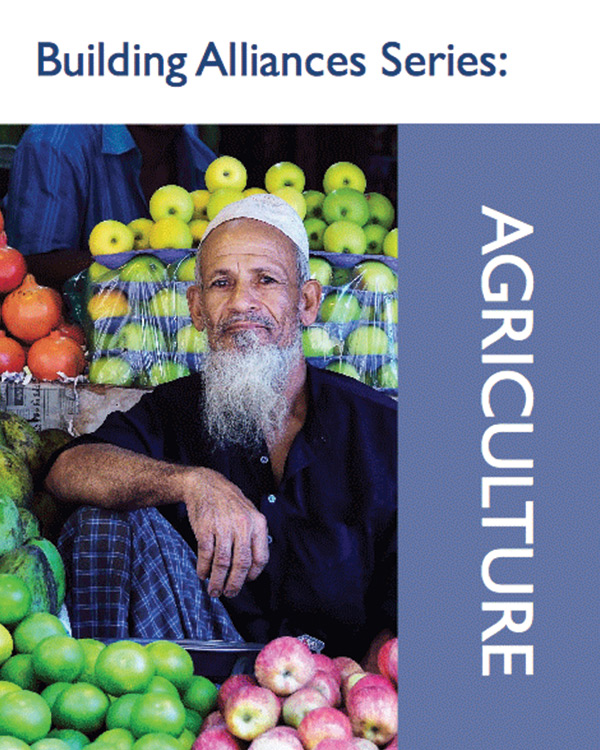
Building Alliances Series: Agriculture
Public-private partnerships done right are a powerful tool for development, providing enduring solutions to some of our greatest challenges. To help familiarize you with the art of alliance building, the Office of Development Partners / Private Sector Alliances (ODP / PSA) office has created a series of practical guides that highlight proven practices in partnerships, […]
Addressing Grievances from Project-Affected Communities
Grievance mechanisms are an important part of IFC’s approach to requirements related to community engagement by clients under the Performance Standards
Creating the Foundations for a Linkage Program in a Rural Setting
This Practice Note focuses on the early stages of the Ahafo Linkages Program by capturing important early lessons and providing broad guidance on how to create and run a unit dedicated to local procurement within a company’s supply chain department.
Water for Business Version 3 (the first online guide specifically designed for businesses to help them manage water more sustainably)
In 2009, WBCSD and IUCN released Water for Business – the first online guide specifically designed for businesses to help them manage water more sustainably by providing them with an overview of water tools and initiatives which they can use or engage with.
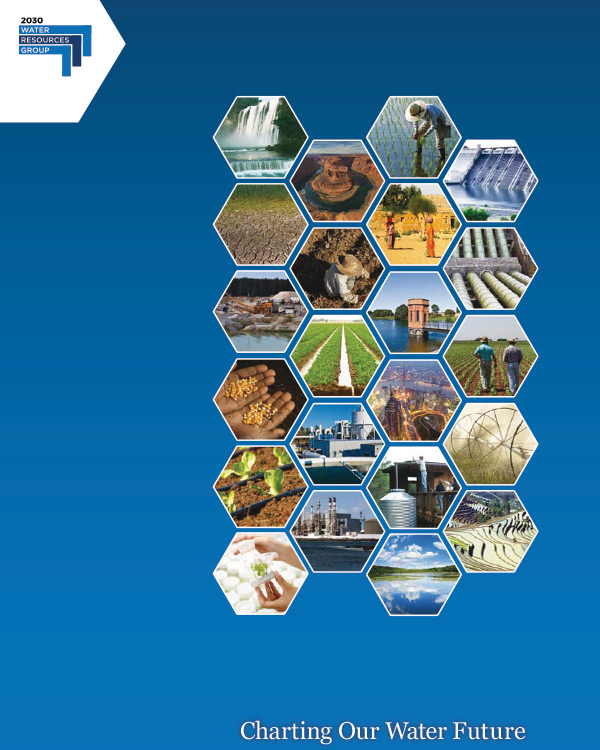
Charting Our Water Future: Economic frameworks to inform decision-making
The report Charting Our Water Future was developed to take a first step in providing greater clarity on the scale, costs and tradeoffs of solutions to water scarcity.
Human Rights in Business: Guide to Corporate Human Rights Impact Assessment Tools
Human Rights Impact Assessments (HRIAs) are an important strategy for companies to accomplish this due diligence, and for stakeholders to monitor a company’s performance.
Human Rights in Business: Guide to Corporate Human Rights Impact Assessment Tools
This Guide to HRIA Tools aims to assist business managers of (multinational) corporations and their stakeholders to find their way in the world of Human Rights Impact Assessments.
The Anglo Zimele Model
The focus of this document is to articulate in detail the process, key components, and success factors associated with the Anglo Zimele model, the enterprise development fund established by Anglo American to empower black entrepreneurs through the creation and transformation of small and medium enterprises (SMEs) in South Africa.
Measuring Impact Framework
The Framework includes an analysis of why companies should measure and understand how they impact societies and how they can benefit from that knowledge.
Measuring Value: A Guide to Social Return on Investment (SROI)
SROI is a capacity-building and measurement framework. By incorporating social, environmental and economic impacts for a range of stakeholders, it more accurately reflects the value that organisations are achieving.
Developing a Transparent System for Local Contracting: A manual for practitioners based on the eProcurement Experience in Chad
This manual provides a step-by-step guide on how to enable local small and medium enterprises (SMEs) in emerging economies to get access to procurement opportunities with large companies through a transparent system for local contracting.
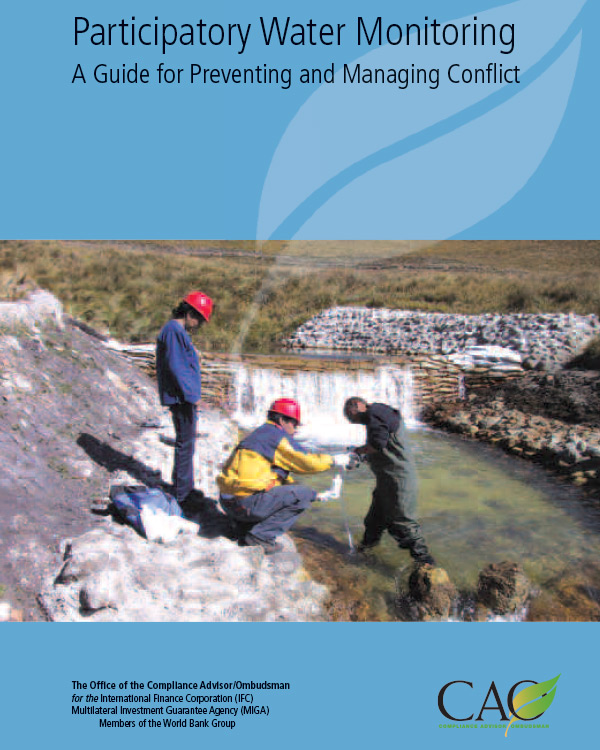
Participatory Water Monitoring: A Guide for Preventing and Managing Conflict – Advisory Note
Participatory water monitoring can be especially important in helping prevent water-related conflicts that may arise in the extractive industry and large-scale agriculture sectors.
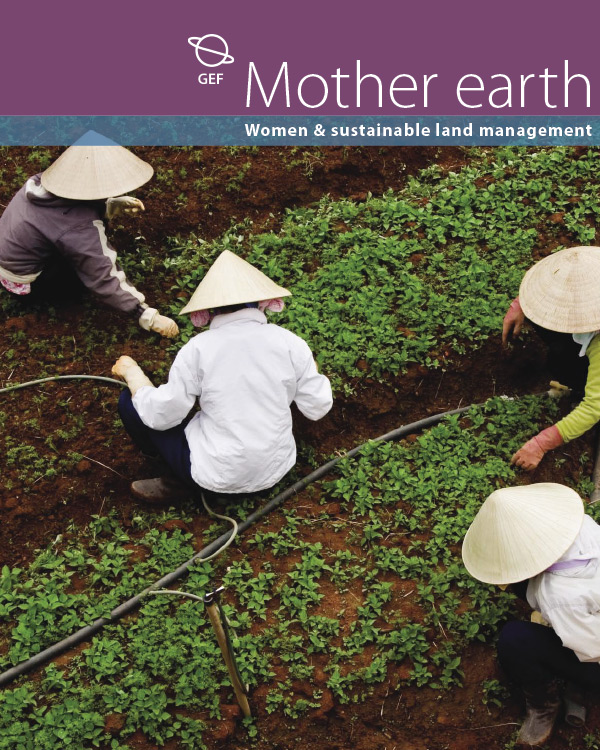
Women and Sustainable Land Management
Land degradation, which affects more than 900 million people worldwide and as much as two-thirds of the world’s agricultural land, has important gender dimensions.
Stakeholder Engagement: A Good Practice Handbook for Companies Doing Business in Emerging Markets
The focus of this handbook is on stakeholder groups “external” to the core operation of the business, such as affected communities, local government authorities, non-governmental and other civil society organizations, local institutions and other interested or affected parties.
Stakeholder Identification and Analysis
The first step in the process of stakeholder engagement is stakeholder identification–determining who your project stakeholders are, and their key groupings and sub-groupings.
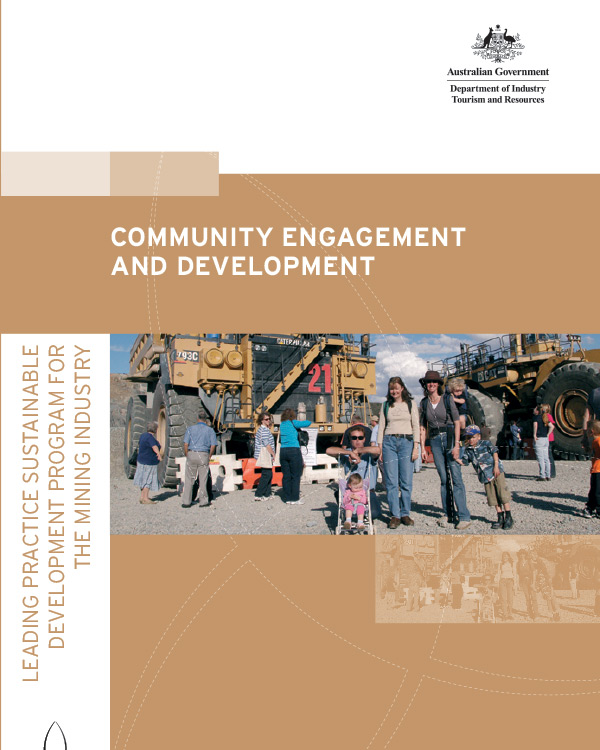
Community Engagement and Development
The Leading Practice Sustainable Development Program for the Mining Industry is an Australian Government initiative which has produced a series of internationally recognised handbooks on various topics.
Enterprise Solutions for Poverty: Opportunities and Challenges for the International Development Community and Big Business
This paper has two objectives. The first is to introduce the Shell Foundation and its way of working. The second is to offer up insights drawn from our experience as a contribution to the wider debate on how the private sector and the International Development Community (IDC) can most effectively catalyse equitable, self-sustaining development in poor countries.
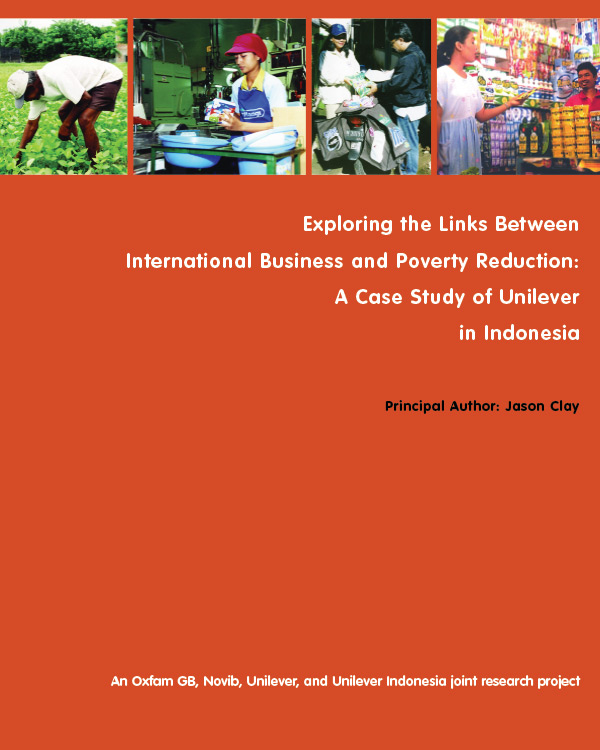
Exploring the Links between International Business and Poverty Reduction: A Case Study of Unilover in Indonesia
The role of big business in poverty reduction cannot be overemphasized.
HIV/AIDS Guide for the Mining Sector
Southern Africa is particularly affected by HIV/AIDS.
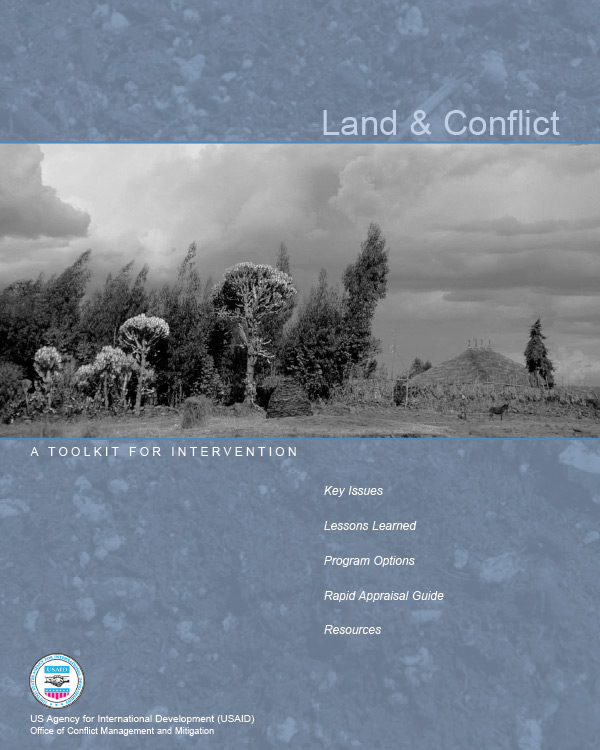
Land & Conflict: A Toolkit for Intervention
The purpose of this toolkit is to provide a practical introduction to the relationship between land and violent conflict.
Artisanal and Small Scale Mining: Challenges and Opportunities
In many developing countries, artisanal and small-scale mining (ASM) is largely a poverty-driven activity which plays an important economic role.
Meaningful consultation with indigenous peoples in forest management: a focus on Canada
Indigenous Peoples occupy a unique place in the world’s forests and can play a key role in the management of those forests.
Anglo American Socio-Economic Assessment Toolbox
Anglo American plc (Anglo) has made its Socio-Economic Assessment Toolbox (SEAT) freely available as a contribution to managing the socio-economic impacts of extractive, other natural resource and industrial operations.
Small Scale Mining and Development within the SADC Region
A comparative analysis and overview of small scale mining in six countries in the South African Development Community
The Sustainable Livelihood Approach to Poverty Reduction, SIDA
The concept of Sustainable Livelihood (SL) is an attempt to go beyond the conventional definitions and approaches to poverty eradication. These had been found to be too narrow because they focused only on certain aspects or manifestations of poverty, such as low income, or did not consider other vital aspects of poverty such as vulnerability […]
